Available For Emergencies 24 Hours A Day, 7 Days A Week

Mon-Fri: 07:30am - 4:30pm
Sat-Sun: Closed

Service Plans
View Your Coverage Types

(215) 269-6590
6901 Bristol Pike, Levittown, PA 19057


October Is Indoor Air Quality Awareness Month:
Here's What It Means for Your Home
- October 1, 2026
- Blog
- Kara Sanford
Contact Information
Call
215-269-6590
Address
6901 Bristol Pike, Levittown, PA
About
We offer 24/7 emergency HVAC service to all of our customers. You can always count on the experts at Robaire Company to get to you fast and get the job done right the first time. We use state-of-the-art diagnostic equipment to find the source of your heating and air conditioning problems and fix them fast.

Finance Your Project


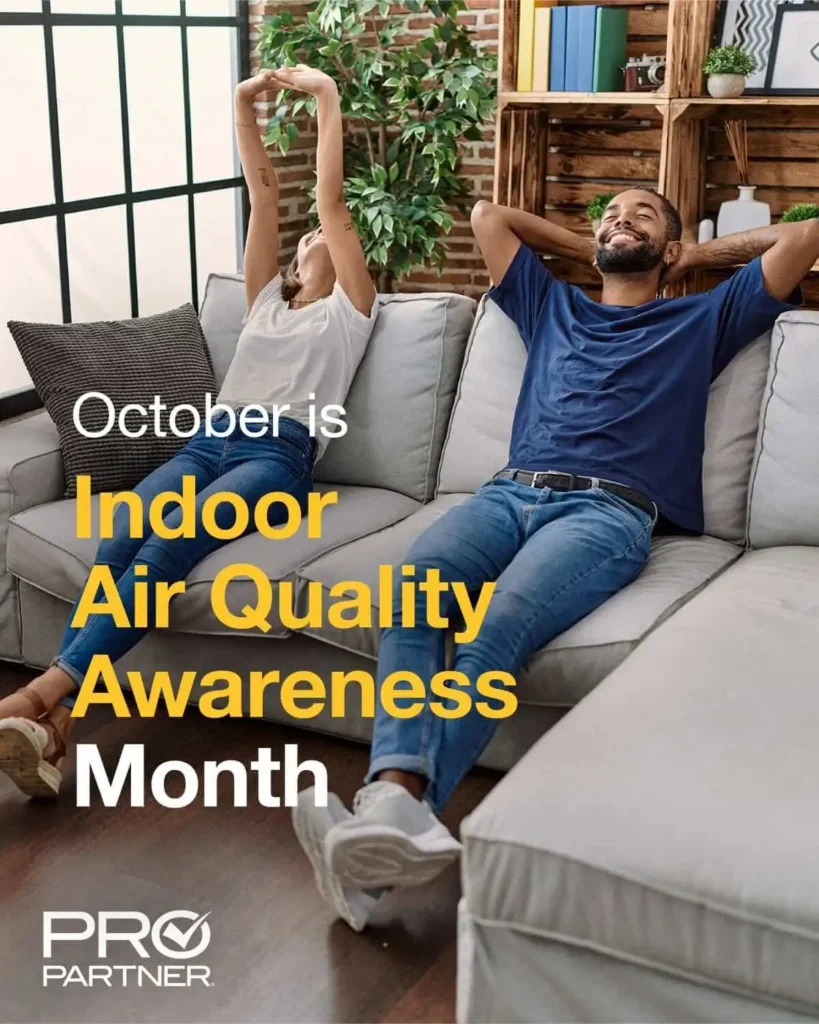
October is National Indoor Air Quality Awareness Month, a time when the American Lung Association and health organizations highlight the risks of indoor air pollution. Since Americans spend about 90% of their time indoors, according to the EPA, your home’s air matters as much as, if not more than, the air outside. At Robaire Company, we’ve helped families across Pennsylvania, New Jersey, and Delaware keep their indoor air clean and healthy since 1985, and this month is a good reminder to check in on yours.
Most of us don’t think about the air inside our homes until something goes wrong. Maybe someone in the family starts sneezing more than usual, or a room feels stuffy no matter how often you open a window. That’s the thing about indoor air quality. It’s invisible until it isn’t, and by then, it’s often been a problem for a while.
October changes that. As National Indoor Air Quality Awareness Month, it gives us a dedicated reason to pay attention to something that affects your family every single day, in every single room of your house.
We’ve been in the HVAC business since 1985, and we’ve seen how much of a difference clean, well circulated air makes in a home. So let’s walk through why this month matters, what’s actually affecting your air, and what you can do about it.
Why does indoor air quality matter so much?
Indoor air quality matters because of how much time we spend breathing it. The EPA estimates that Americans spend about 90% of their time indoors, which means the air inside your home has a bigger impact on your health than most people realize.
Here’s the part that surprises most homeowners: indoor air pollutant levels can run two to five times higher than outdoor levels, and in some cases, over 100 times higher, according to the EPA. That’s not because your home is dirty. It’s because dust, pet dander, pollen, and other particles get trapped indoors with nowhere to go unless your ventilation and filtration are doing their job.
The health consequences are real, too. The World Health Organization estimates that 3.8 million people worldwide die every year from illnesses linked to harmful indoor air, according to NIEHS. Closer to home, the EPA attributes roughly 21,000 U.S. lung cancer deaths annually to radon exposure, a gas that seeps into homes through foundation cracks and gaps.
Children, older adults, and anyone with asthma or heart conditions feel the effects first and worst. If you’ve got a family member in one of those groups, indoor air quality isn’t a side concern, it’s a priority.
What's actually polluting the air in your home?
A few common culprits show up in nearly every house we service:
- Dust and particulate matter. These settle on every surface and recirculate every time your HVAC system runs.
- Allergens. Pet dander, pollen, and dust mites can cling to carpets and furniture for months at a time.
- Humidity imbalances. Too much moisture invites mold growth. Too little dries out your skin, sinuses, and wood furniture.
- Poor ventilation. Without enough fresh air exchange, pollutants build up instead of clearing out.
- Carbon monoxide and radon. Both are colorless and odorless, which is exactly why proper detection and venting matter so much.
None of these show up overnight. They build up slowly, which is part of why so many homeowners don’t notice until allergy symptoms, musty smells, or energy bills start creeping up.
How does your HVAC system affect indoor air quality?
Your HVAC system is the lungs of your home. Every time it runs, it’s pulling air through filters, circulating it through your ductwork, and pushing it back out into your living spaces. When that system is working well, it’s constantly working to remove dust and allergens from the air you breathe.
When it’s not working well, or when it’s overdue for maintenance, it does the opposite. A dirty filter doesn’t just block airflow and strain your system. It also stops catching the particles it’s supposed to catch, which means they keep recirculating through your home instead of getting filtered out.
Modern systems can take this further with built in air purification and humidity control features, giving you more consistent air quality year round instead of air that swings between too dry in the winter and too damp in the summer.
What can you do to improve your home's air quality?
You don’t need to overhaul your whole house to see a real difference. A few consistent habits go a long way:
- Schedule regular HVAC maintenance. Our licensed technicians will catch issues, like a clogged filter or a failing component, before they affect your air or your energy bill.
- Replace your air filter every 30 to 90 days. How often depends on your household. Pets and allergy sufferers usually need the shorter end of that range.
- Consider an air purifier or UV filtration system. These add an extra layer of protection beyond what a standard filter catches.
- Keep an eye on humidity. Ideal indoor humidity sits between 30% and 50%. Outside that range, you’re inviting mold or dryness related problems.
- Make sure kitchens and bathrooms are properly ventilated. These rooms generate the most moisture and odors in your home, and they need a way out.
Skipping these steps doesn’t save you money. It just delays the cost, and it usually means a bigger fix down the road.
Why work with Robaire Company for your indoor air quality needs?
We’ve been serving families throughout Pennsylvania, New Jersey, and Delaware since 1985, and in that time, we’ve learned that good indoor air quality isn’t a luxury. It’s part of a healthy home.
Our technicians are licensed, insured, and trained to understand how our region’s climate, humid summers and cold winters alike, affects your indoor air. We’ll assess your home, explain what we find, and recommend only what you actually need. We won’t sell you a whole new system if a thorough tune up and a filter upgrade will do the job.
Take the first step toward cleaner air this month
October gives every homeowner a good reason to stop and ask: when was the last time I thought about the air inside my home? If you can’t remember, that’s your answer.
From dust and allergens to humidity levels, your HVAC system plays a huge part in keeping the air your family breathes clean and healthy. Talk to us to learn how we can help improve the air quality in your home.

Frequently Asked Questions
What is Indoor Air Quality Awareness Month?
Indoor Air Quality Awareness Month takes place every October. It’s a time when health organizations, including the American Lung Association, raise awareness about the health effects of indoor air pollution and encourage people to take steps to improve the air inside their homes.
How do I know if my home has poor indoor air quality?
Common signs include frequent allergy or asthma symptoms indoors, musty odors, visible dust buildup, excess humidity or condensation on windows, and inconsistent temperatures between rooms. If you’re noticing any of these, it’s worth scheduling an HVAC assessment.
How often should I change my HVAC air filter?
Most households should change their filter every 30 to 90 days. Homes with pets, allergy sufferers, or heavy HVAC use typically need changes closer to the 30 day mark.
Can my HVAC system alone fix indoor air quality problems?
Your HVAC system handles a lot of the work, filtering and circulating air through your home, but it isn’t the only factor. Humidity control, proper ventilation in kitchens and bathrooms, and regular maintenance all play a role alongside your system.
Who should I call to improve my home's indoor air quality?
A licensed HVAC professional can assess your system, recommend filtration or purification upgrades, and catch issues before they become bigger problems. If you’re in Pennsylvania, New Jersey, or Delaware, we have been been handling exactly this kind of work since 1985. Contact us today to get started on improving your indoor air quality.
Schedule an Appointment
Contact Robaire Company, Inc.
We offer 24/7 Emergency Service to all of our customers. We also understand the importance of being safe and comfortable in your home. Robaire Company, Inc. is a certified Rheem ProPartner. We are licensed and insured in PA, NJ and DE. Please ask for references. Your comfort… It’s that important!